Invisible Wounds: How Hidden Trauma Affects Daily Life
First posted – May 23, 2025 / Revised – May 29,2025
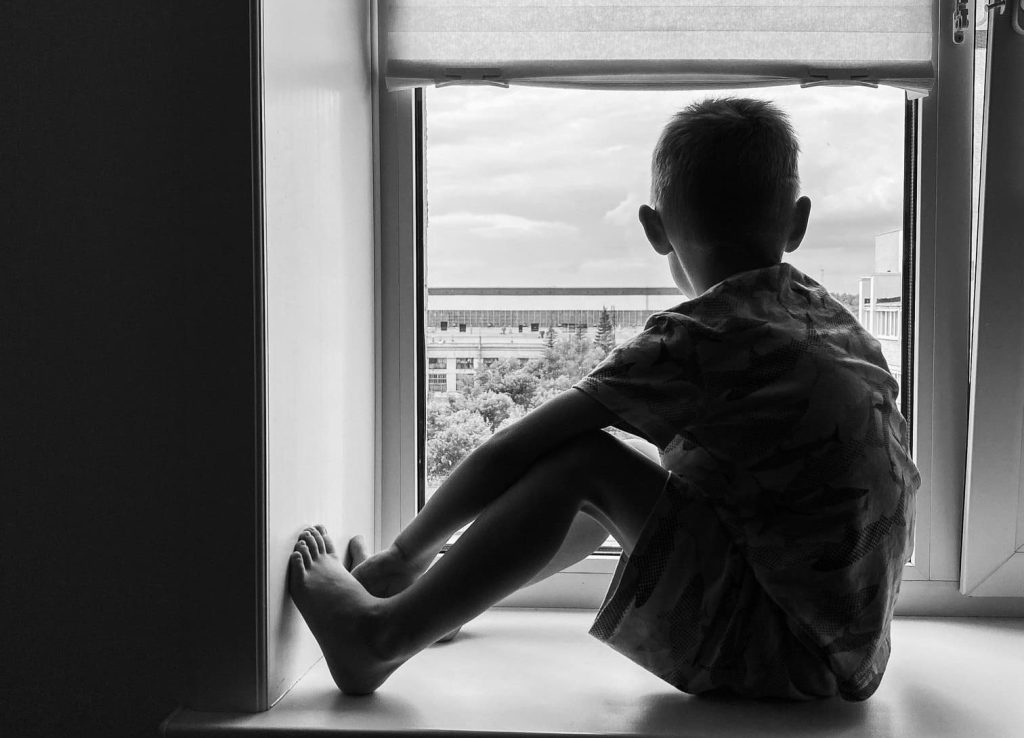
“Not all wounds bleed. Some sit quietly beneath the skin, shaping how we love, how we fear, and how we show up in the world. But even silent pain deserves a voice—and gentle space to heal.” – Julius C.
Trauma isn’t always loud.
Sometimes, it slips in quietly—like a shadow you didn’t notice until it stretched across your day. And often, it hides in plain sight: a clenched jaw when someone raises their voice, an instinct to say “I’m fine” when you’re anything but, or the way a child flinches when asked a simple question.
These are the imprints of invisible wounds—etched not in skin, but in muscle memory, emotions, and everyday reactions.
Types of Traumas We Encounter
Trauma comes in many forms. Here are just a few:
- Acute trauma – A single incident like a car accident, assault, or natural disaster.
- Chronic trauma – Ongoing abuse, bullying, neglect, or toxic relationships.
- Complex trauma – A cocktail of repeated, layered traumas (especially in childhood).
- Secondary trauma – Absorbing the pain of others—common among caregivers, therapists, and yes, even empaths.
- Developmental trauma – Disruptions in early attachment, trust, or safety that affect emotional regulation well into adulthood.
What unites them all? They often go unspoken. But the body remembers. The nervous system reacts. And the world around us feels the ripple, even if they can’t name the wave.
How Trauma Hides in Everyday Moments
Trauma doesn’t always scream. Sometimes it:
- Avoids eye contact in meetings.
- Makes jokes at its own expense to deflect pain.
- Flinches when touched unexpectedly.
- Zones out in conversations.
- Shuts down when asked, “Are you okay?”
We call this emotional echoing—where the past quietly distorts the present.
In children, this can show up as moodiness, hypervigilance, silence, or outbursts. But in a world where “privacy” is sacred and “don’t be nosy” is a mantra, many parents hesitate to dig deeper.
Here’s the paradox: today’s children crave autonomy—but also connection. They want to be left alone, but not abandoned. They won’t always say it outright, but they are constantly asking: “Is it safe to feel here?”
How Parents (and Loved Ones) Can Recognize the Signs
- Changes in play – Violence, death, or control themes in toys or drawings.
- Regression – Reverting to younger behaviors (bedwetting, baby talk, clinginess).
- Avoidance – Not wanting to visit certain places or talk to specific people.
- Sensitivities – Heightened startle responses or touch aversion.
How to Respond with Compassion
- Be present, not pushy: “I notice you’ve been quiet lately. I’m here if you want to talk.”
- Validate without probing: “It makes sense you’d feel upset about that.”
- Create rituals of safety: Family dinners, bedtime check-ins, or weekend walks with no agenda.
- Model vulnerability: Share your own emotions appropriately. Let them see that expressing pain is not shameful—it’s human.
Healing takes patience. For both the wounded… and those who walk beside them.
📣 Let’s Keep the Conversation Going
If this blog speaks to something you’ve felt but couldn’t name, I invite you to:
- Comment below — Share your story or what resonated most.
- Subscribe to The Gentle Lighthouse for more soul-nourishing posts.
- Download my eBook, which expands on emotional healing, body memory, and finding light in the darkest places.
💬 Your voice may help someone else feel seen.
💖 Support This Work
Half of all donations go to mental health charities annually. The rest helps keep this blog and resource site running. If you’ve found value here, consider supporting:
☕ [Buy me a warm tea – Donate here]
Every bit counts, and every bit gives back.
🧭 Next on the Blog
Stay tuned for our next post:
“Emotional Exhaustion vs Burnout: Signs, Differences, and Recovery”
Because sometimes, addressing a common confusion is the first step towards awareness.

 The Gentle Lighthouse
Leave a comment