False Highs, Real Lows

“The high feels like freedom,
but it’s only borrowed light—
when the crest collapses,
you’re left alone with night.” – Julius C.
Every emotion we feel behaves like a wave. In my eBook “Depression – A Self-help Guide“, I describe this through wave mechanics—each feeling mapped as a form of energy.
- Wavelength: How frequently emotions arise.
- Amplitude: Intensity of the emotion.
- Wave Height: Difference between positive and negative emotional peaks.
- Crest: The peak of happiness.
- Trough: The depth of despair.
- Rest Position: A state of emotional neutrality.
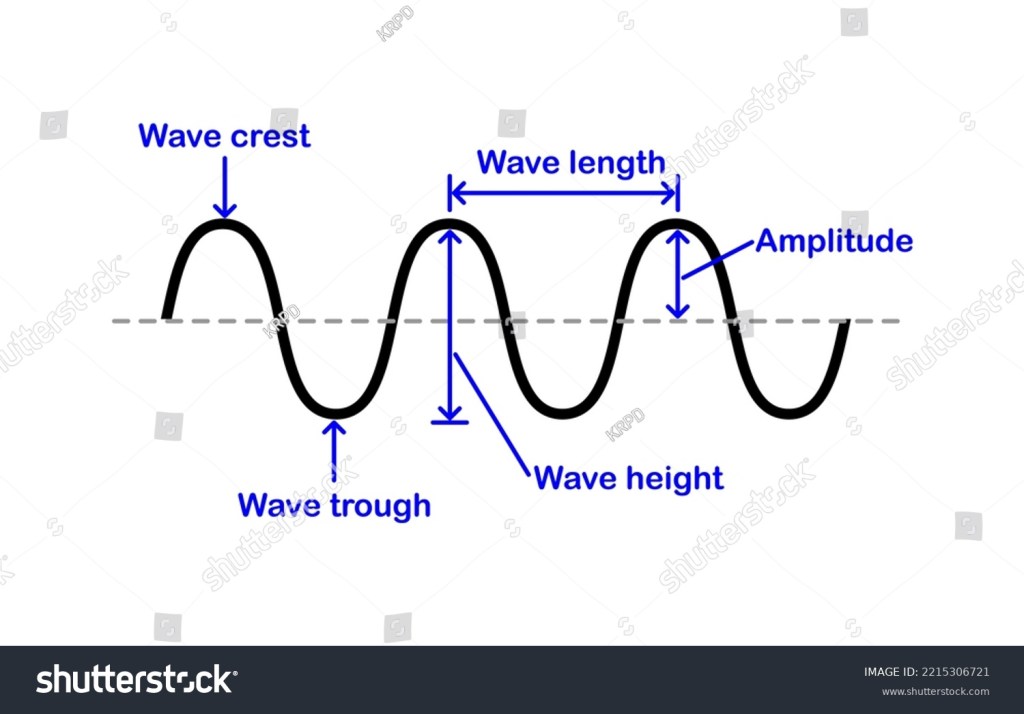
For most people, this “rest position” cuts neatly through the wave—balancing highs and lows. But for those living with depression, this line is skewed—resting closer to the crest, leading to shallow highs and disproportionately deep lows.
The Drug Illusion – Magnified Crests, Exaggerated Crashes
Here’s the trap of substance use. Drugs artificially magnify the crest, giving the illusion of intense pleasure or escape. But this amplification is not free. Since drugs do not create energy, the body must compensate—by shortening the wave elsewhere, most often through:
- Faster burnout
- Deeper troughs
- Prolonged recovery periods
📚 Scientific evidence supports this: drugs that stimulate dopamine production, such as amphetamines or cocaine, eventually cause long-term downregulation of dopamine receptors, reducing the brain’s natural ability to feel pleasure (Volkow et al., 2009, JAMA).
What Goes Up Must Crash Down
This is where things turn dark:
- Initial spike: The user feels euphoric—a false crest.
- Energy deficit: The body, having exhausted its reserves, begins to crash.
- Deeper trough: The crash is not just a return to baseline—it’s a collapse into lower lows.
- Desperation loop: To feel “normal” again, the person seeks another high.
- Emotional flatline: Over time, the brain becomes numb. The ability to experience any natural crest vanishes.
📚 A 2017 review found that chronic substance use alters the reward circuitry in the brain, leading to “emotional blunting” and a reduced response to naturally rewarding experiences (Koob & Volkow, Neuropsychopharmacology).
From Feeling to Numbness – The Creation of a Zombie State
As the wave flattens, the person feels increasingly disconnected:
- Joy becomes fleeting.
- Sadness deepens.
- Emotional neutrality is rare.
Eventually, both crest and trough vanish—leaving only a flatline numbness. This is not relief. This is the death of emotion. This is what many call the “zombie state”—functioning without truly living.
📚 Neuroimaging studies confirm long-term opioid users show decreased activity in the prefrontal cortex and limbic system, leading to impaired emotional regulation and motivation (Upadhyay et al., 2010, Brain).
Why This Matters: The Energy Equation of Life
As stated in my ebook, energy cannot be created or destroyed—it is only transformed. When substances disrupt the natural wave of emotional energy, they exploit the system, forcing a dramatic high at the cost of sustainability.
- Drugs don’t add energy.
- They redistribute it—from your future, from your healing, from your balance.
What’s left behind? An emotional deficit that spirals into dependency.
We often chase highs when we cannot bear the lows. But when those highs are manufactured through substances, they come at a cost we rarely understand until it’s too late.
Depression is already a battle of imbalance. Substance abuse doesn’t soothe the pain—it exploits it.
If you’re reading this and wondering if you’re caught in that loop—let this be your nudge toward healing. Toward honesty. Toward help.
✨ Share your Stories
💬 Share your thoughts below—has your emotional wave been distorted by substances?
🔔 Subscribe to receive updates when a new blog post is released.
🤝 If this resonated, pass it on. You never know who might be riding the edge of a dangerous crest.
🌟 Upcoming Blog
“The Flicker Still Counts” – A gentle reminder that even when light is low, the smallest flame matters. We’ll explore what hope looks like in recovery from drug abuse and depression.
🙏 Support This Work
If you found meaning in this piece, consider donating. Your support helps keep these messages flowing—waves of awareness that might save a life.

 The Gentle Lighthouse
Leave a comment