Sweet Tooth, Bitter Crash: How Sugar Impacts Depression
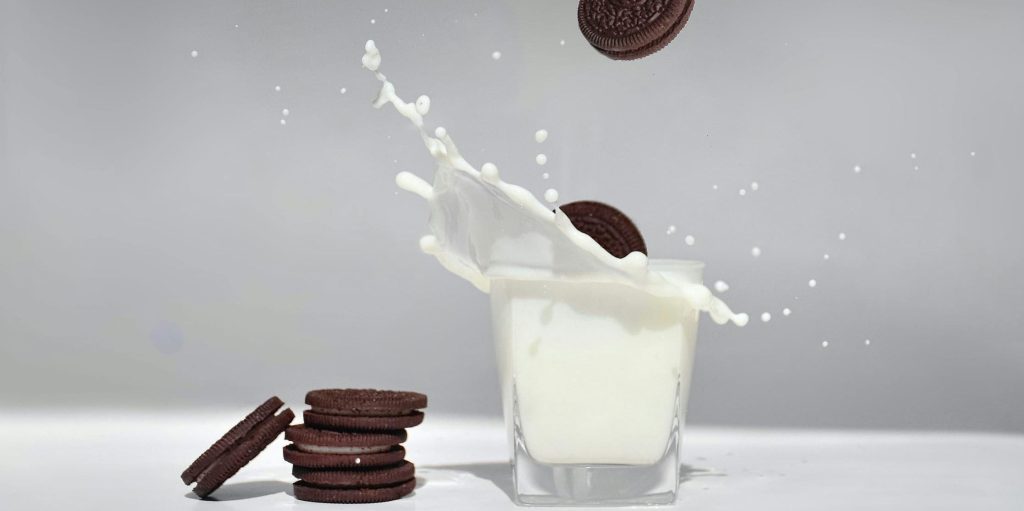
“Sugar sweetens the moment but robs the soul of balance. Real joy comes not from the rush—but from the rhythm.” – Julius C.
The Sugar High: Why It Feels So Good
When you eat sugar, your brain releases a rush of dopamine—your reward chemical. It’s the same one triggered by hugs, music, or winning $5 in the lottery. Sugar is like emotional fast food: quick, comforting, and very temporary.
But that spike comes at a cost.
➡️ Studies show that refined sugar can lead to an increase in inflammatory markers in the brain, which are associated with depression (Knüppel et al., 2017, Scientific Reports).
➡️ In people with major depression, these sugar-induced mood highs often crash harder, making depressive episodes more severe (Westover & Marangell, 2002).
So yes, that muffin is gaslighting you.
The Bitter Crash: Mood Swings and Energy Slumps
After that sweet high, your blood sugar levels nosedive. That’s when fatigue, irritability, brain fog, and low mood hit. For someone already managing depression, this isn’t just inconvenient—it’s debilitating.
In fact, high-glycemic diets (think pastries, soda, processed carbs) are linked to increased risk of depressive symptoms, especially in women (Gangwisch et al., 2015, American Journal of Clinical Nutrition).
It’s not willpower failing. It’s biochemistry flipping a switch.
Sugar, Brainwaves, and Emotional Energy
As shared in Depression: A Self-help Guide, our moods are tightly linked to brain energy. Depression already disturbs brainwave rhythms, reduces cellular energy, and dulls emotional vibrancy. Sugar exacerbates this by:
- Disrupting the brain’s natural energy flow
- Causing inflammation that impairs neurotransmitter production
- Weakening the body’s ability to regulate mood over time
💡 Imagine trying to balance on a tightrope while someone is throwing cupcakes at your face. That’s your brain on sugar.
Why We Crave It Anyway
Because it works… temporarily. Sugar provides emotional relief in a pinch—especially during lonely nights, emotional burnouts, or depressive dips.
In the eBook chapter “Reducing Fuel for Negativity,” it’s clear that comfort food can be part of emotional self-care—but without awareness, it becomes a saboteur disguised as a cupcake.
6 Ways to Rewire Your Sugar-Mood Connection
- Eat with Awareness
Ask: Am I hungry, or hurting? Replace mindless snacking with mindful checking-in. - Balance the Plate
Combine carbs with protein or good fats to slow down sugar absorption. (Apple + peanut butter > donut alone.) - Use Natural Sweetness
Berries, dates, cinnamon—they satisfy the sweet tooth without the crash. - Get Curious, Not Guilty
If you had three cookies, explore why—without shaming yourself. Awareness is your strongest self-help tool. - Prepare “Mood-Smart” Snacks
Keep bananas, nuts, or dark chocolate (in moderation) nearby when sugar cravings hit. - Track Your Crashes
Use mood tracking log like those from the eBook to note post-sugar moods. Patterns often reveal themselves quickly.
🗣️💬 Like What You Read?
If this made you laugh, think—or pause before reaching for that cupcake—then let’s keep the conversation going.
🩷 Like, share, drop a comment, or hit subscribe.
Every share helps another cookie craver find clarity.
☕ Support This Blog (With Laughs and a Few Dollars)
Running a blog that discusses sugar without actually being paid in cookies is a bold move. If this post brightened your day (or saved you from a sugar spiral), consider donating the cost of a snack!
Your generosity helps keep the site alive—and ensures the next post isn’t sponsored by a donut chain.
🍩 Donate a Smile, or a Few Dollars
📚 Upcoming Blog
“Lost in the Likes: Why More Youth Are Facing Depression”
With social media filters and academic pressure mounting, today’s youth are navigating invisible battles. This upcoming post explores why depression rates are rising among the new generation—and how we can support emotional resilience in a world addicted to dopamine hits.

 The Gentle Lighthouse
Leave a comment