Healing Through Giving: How Charity Supports Depression Recovery
“When we give, we do not just fill another’s cup, we patch the cracks in our own.”
– Julius C.
September brings with it a spirit of generosity and travel—a season to open both our hands and hearts. While many see charity as a way of helping others, it is also a quiet medicine for the soul of the giver. For those living with depression, acts of kindness—whether donating, volunteering, or even offering a smile to a stranger—can spark connection, restore meaning, and soften the weight of isolation.
Why Giving Heals
Depression thrives on loneliness and disconnection. Acts of giving reverse that narrative. Research shows that altruism not only benefits recipients but also triggers the brain’s reward system in the giver, releasing dopamine and oxytocin, often called the “helper’s high” (Post, 2005; Layous et al., 2012). These neurochemical shifts ease stress, improve mood, and encourage resilience.
When we give, we move from scarcity to abundance. Instead of focusing on what we lack, we acknowledge what we can share—even if it is small. This simple redirection builds self-worth and reinforces that we still matter to the world.
Volunteering: Purpose in Action
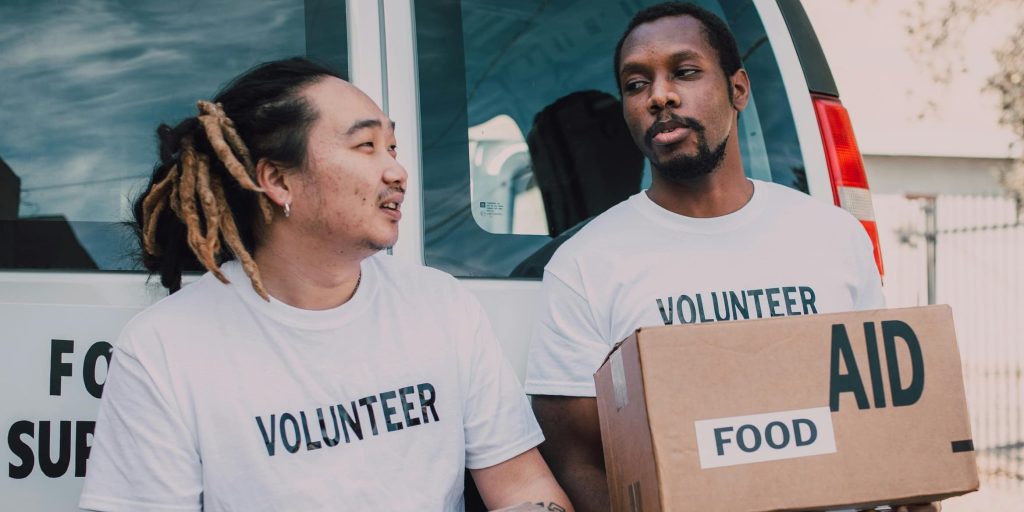
Spending time to serve others provides structure, community, and a sense of being needed. For someone with depression, this can counteract feelings of purposelessness. Even occasional volunteering—helping at a food bank, mentoring youth, or walking dogs at a shelter—creates moments of joy and belonging.
I always share with my friends that when they feel stuck with a problem, try working the other way around. Just like maths, when we cannot find the solution, we sometimes look at the answer first and work our way backwards. The next time we face the same problem, we already know how to solve it. Similarly, when we cannot find purpose from within ourselves, try working it backwards by acting on something purposeful first. In short, if the inside-out method fails, try the outside-in method.
Donations: Small Seeds, Big Ripples
Not everyone has the time or energy to volunteer. But giving financially, even in small amounts, carries its own healing energy. What matters is the intention—the quiet reminder that “I can still contribute.” This reframes depression’s narrative of helplessness into one of empowerment.
Donations in money or in-kind do the same thing—helping another person in need. But there’s a catch: never give without limits, even if you can. There is always the rule that too much of a good thing can turn bad. Imagine this—one man needs cash to pay utilities so that he can continue working, while another simply turns to you whenever bills need paying because you always help. The same act, when done without boundaries, produces two very different outcomes. We are not the devil, so let us not tempt a man’s greed.
Everyday Kindness Counts
Healing through giving does not always require formal acts. Holding the door, offering a listening ear, or sending a supportive message are equally profound. These “micro-charities” ripple outward and often return when we most need them.
As I have written in my previous articles and eBook, our actions and emotions are like waves. Whatever wave energy we send forward will eventually come back to us. Just as the old saying goes, “We reap what we sow.” However, kindness should be done naturally, not because we expect something in return. When the intent is skewed, so too is the reward.
A Gentle Note from My Journey
In my own path through depression (as I shared in my eBook Depression – A Self-help Guide), connection and kindness have been lifelines. A kind word in an elevator, a small act of compassion from a friend—these moments carried more weight than I could ever measure. They reminded me that healing often begins not in isolation, but in community.
🌸 Join the Conversation
Your voice matters. Share your reflections below, like this post if it resonates, and subscribe for more stories of healing and hope. Every comment is a spark that keeps this community warm.
☕ Fuel the Words (Light-Hearted Donations)
If this blog brought a little light to your day, consider buying me a virtual coffee—or perhaps a lifetime supply of chocolate biscuits (which my depression assures me are medicinal). Your support keeps this space alive and growing.
📖 Upcoming Blog: Acts of Kindness and Their Impact on Mental Well-being
In our next post, we will explore how everyday kindness shapes not only individual mood but also the collective mental health of communities. From the neuroscience of compassion to real-life stories, we will uncover why kindness is both contagious and healing.

 The Gentle Lighthouse
Leave a comment