The Role of Nature-based Tourism in Reducing Stress and Depression
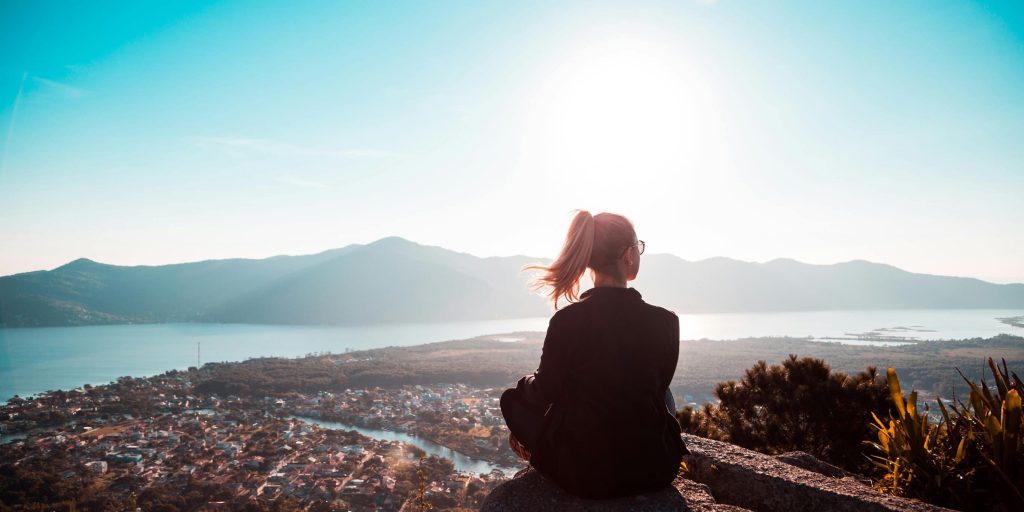
“Silence in the forest, ripples on a lake, the steady breath of a mountain breeze. These are not escapes from life, but gentle invitations back into it.” – Julius C.
Why Nature-based Tourism Matters
For those who feel uneasy in crowded tourist spots, nature-based tourism offers a sanctuary. Unlike bustling city breaks, quiet escapes into mountains, forests, lakes, and gentle trails provide more than scenery—they create healing spaces where the mind can breathe. Research consistently shows that immersion in natural landscapes reduces stress hormones and boosts emotional resilience.
The Science of Calm in Natural Spaces
Being surrounded by greenery and water is more than just visually soothing. Studies indicate that exposure to natural environments lowers cortisol levels, improves sleep quality, and supports recovery from symptoms of depression. Unlike traditional therapy rooms, nature is a vast, open space where our nervous system recalibrates naturally.
Mountains teach stillness.
Forests regulate our breathing.
Lakes mirror our emotions, encouraging reflection.
Trails remind us that healing is often step by step, not a sprint.
Why Introverts Find Healing in Nature
Introverts and highly sensitive individuals often struggle in environments overloaded with noise and social demands. Nature-based escapes respect their need for solitude without judgment. Unlike urban travel, which can drain energy, these destinations gently restore it. Time in nature offers quiet companionship—the presence of trees, birds, and flowing rivers without the pressure to perform or socialize.
Nature as a Depression Ally
In depression recovery, small, consistent reliefs matter. Spending time outdoors improves mood regulation and fosters a sense of connectedness without overwhelming demands. Many therapists now recommend eco-therapy—structured time in nature—as a complementary tool alongside clinical treatment.
What sets nature-based tourism apart is that it pairs healing with exploration. You are not just traveling—you are practicing recovery in motion, combining movement, reflection, and sensory restoration.
Practical Ways to Embrace Nature-based Tourism
- Choose serenity over spectacle: Seek small mountain towns or quiet lakesides instead of famous, overcrowded landmarks.
- Build gentle itineraries: One or two main activities per day is enough—nature heals best when not rushed.
- Blend reflection with action: Walk, journal, or simply sit in silence. Balance activity with stillness.
- Respect your energy: If a group hike feels overwhelming, try solo trails or shorter walks. Healing is personal.
🌿 Tip: Nature is not a checklist. It’s a conversation. The more you listen, the more it speaks back.
🌸 Join the Conversation
If this piece resonates with you, I’d love to hear your thoughts. Have you found healing in mountains, forests, or lakes? Share your story below, like the post, and subscribe to stay updated on more reflections about travel and mental health. Your experiences may light the way for someone else.
💡 Keep the Blog Alive (With a Smile)
Running this blog is like keeping a campfire going—logs (hosting fees) aren’t free, and marshmallows (research hours) don’t roast themselves. If you’ve found value here, consider tossing a little wood on the fire with a donation. It keeps the flame warm for everyone. 🔥
🌍 Upcoming Blog
“Solo Travel and Self-discovery: Finding Strength While Battling Depression”
Solo journeys can be daunting, but they also offer unmatched opportunities for growth. In this post, we’ll explore the pros and cons of traveling alone, how to prepare practically and emotionally, and the pitfalls to avoid. For those battling depression, solo travel can become a mirror for resilience and a teacher of strength.


 The Gentle Lighthouse
Leave a comment