When Pills Replace Purpose
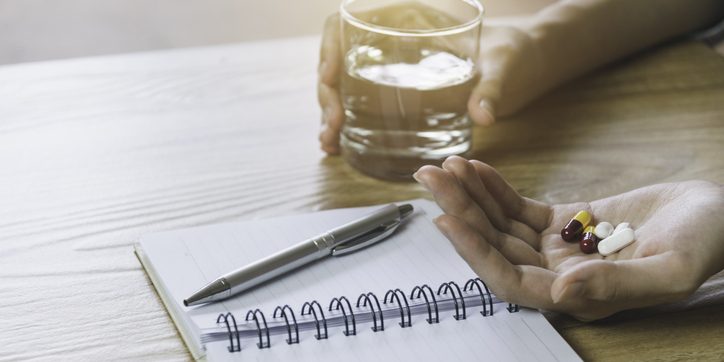
“There is a kind of stillness that pills can give you—
But not all silence is peace,
And not all healing is real.” – Julius C.
A Quick Fix or a Quiet Mask?
In the treatment of depression, prescription medications can be life-saving. Antidepressants help many people get through the darkest stretches of their lives, especially when the weight of everyday functioning becomes unbearable. But while these drugs are powerful tools, there is a rising concern: are we using them to heal—or to hide?
Let’s take a deeper look.
Commonly Prescribed Antidepressants & Their Side Effects
Here’s a quick overview of the most commonly prescribed classes of antidepressants:
| Class | Examples | Common Side Effects |
| SSRIs (Selective Serotonin Reuptake Inhibitors) | Fluoxetine, Sertraline, Citalopram | Nausea, insomnia, sexual dysfunction, emotional blunting |
| SNRIs (Serotonin-Norepinephrine Reuptake Inhibitors) | Venlafaxine, Duloxetine | Increased blood pressure, fatigue, dry mouth |
| Atypical Antidepressants | Bupropion, Mirtazapine | Anxiety, weight gain, vivid dreams |
| Tricyclic Antidepressants (TCAs) | Amitriptyline, Nortriptyline | Drowsiness, blurred vision, heart rhythm issues |
| MAOIs (Monoamine Oxidase Inhibitors) | Phenelzine, Tranylcypromine | Food interactions, dizziness, hypertensive crisis |
Cited from: National Institute of Mental Health; Mayo Clinic, 2023
Questions to Ask Yourself About Medication Reliance
To truly reflect on your relationship with medication, ask yourself:
- “Can I proceed with my day without medication?”
- “Has the medication numbed my emotions—including joy?”
- “Am I using it alongside therapy or as a standalone solution?”
- “Have I been increasing my dose just to feel the same?”
These questions are not meant to shame—but to spotlight self-awareness. Emotional numbness is one of the most common unintended outcomes of prolonged antidepressant use, especially when paired with unresolved trauma or unattended lifestyle patterns.
Why This Is Worth Discussing
While medication can stabilize brain chemistry, the human brain adapts. Over time, tolerance builds, and with it comes the need for:
- Higher doses
- Reduced effectiveness
- Increased dependency
According to a study published in Psychotherapy and Psychosomatics, up to 30% of patients experience “treatment-emergent resistance,” where long-term use leads to reduced drug efficacy and intensified withdrawal symptoms【Cipriani et al., 2018】.
What Should We Do Instead?
Before changing anything, consult your psychiatrist or medical provider. Medication is often necessary—but only part of the puzzle.
1. Define What “Necessary” Means for You
For some, it might mean short-term help to get through a crisis. For others, long-term medication may be part of a chronic illness management plan. Whatever it is, make sure it’s informed and intentional.
2. Seek Sustainable Alternatives
Try complementary practices such as:
- Therapy (CBT, ACT, EMDR)
- Movement (even light stretching or mindful walking)
- Journaling to track triggers and patterns
- Meditation & breathing work
- Wave-based interventions like music therapy, as explored in Depression: A Self-Help Guide.
Remember: finding what works takes time and often, many futile attempts before success.
3. Reclaim the Missing Purpose
Depression often silences purpose. And medication—while it may mute the suffering—can also mute the search. Look for small daily wins:
- A compliment given.
- A kind word written.
- A walk completed.
These are not trivial. They are proof of momentum.
Gentle Words of Encouragement
“Every small effort you make—whether it’s skipping a second cup of coffee or whispering kindness to yourself before bed—is a tiny revolution. Each one brings you closer to living—not just surviving.”
Healing is not linear. It may begin with pills, but it does not end there. Let your medication be the scaffolding, not the ceiling.
💬 Share Your Thoughts
Have you felt emotionally numb on medication? What helped you reconnect with your inner world? Share your experience in the comments or forward this blog to someone walking the same path.
If this blog resonates with you, subscribe to receive updates whenever a new post is published—so you never miss a moment of insight, healing, or hope. Your journey deserves gentle company.
🔁 Upcoming Blog: “Drugs, Depression and Dependency”
We’ll explore the darker road from casual drug use to chemical reliance in emotional struggles—and how to step off it with courage.
🙌 Support the Cause
If this blog spoke to you, consider supporting future writings through a small donation. Your kindness helps light the path for others navigating the dark.
☕ [Buy Me a Coffee]


 The Gentle Lighthouse
Leave a reply to Herald Staff Cancel reply