The Flicker Still Counts
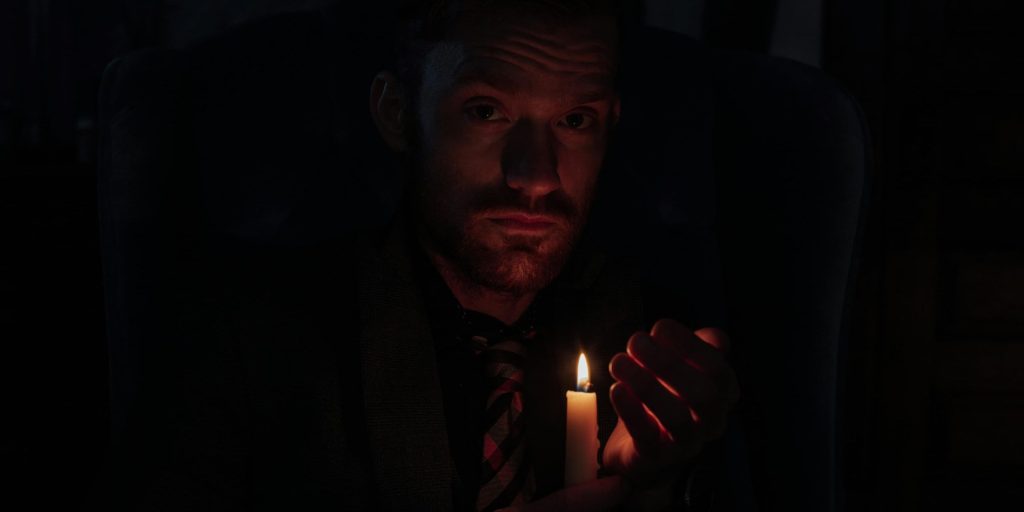
“You don’t need to blaze to matter. Sometimes, the bravest thing a soul can do is simply glow—softly, stubbornly—in the dark.” – Julius C.
Real Hope vs False Hope
Not all hope is created equal.
False hope promises immediate fixes. It often comes dressed as motivational clichés or quick-fix solutions—”Just think positive,” “You’ll get over it,” or worse, “Snap out of it.” These empty reassurances can invalidate pain and delay real healing.
Real hope on the other hand, acknowledges the shadow but dares to hold space for light. It doesn’t guarantee a timeline. It simply believes there’s still something worth trying for—even if it’s just one more breath, one more hour, one more day.
We know it’s real because such hope embraces the truth of pain, yet insists on trying anyway. It grows in small, consistent acts—even when emotions feel flat or motivation is absent. Behavioural activation therapy confirms this: action often precedes emotion in recovery, not the other way around (Dimidjian et al., 2006) [Reference].
Self-Check: What Kind of Hope Are You Holding?
Ask yourself:
- Am I expecting overnight change, or am I allowing time and compassion?
- Am I numbing pain or truly working through it?
- Do I feel shame when I fall back, or do I understand this is part of healing?
- Is my “plan” helping me grow—or helping me avoid discomfort?
If your answers lean toward urgency, shame, or avoidance, you might be holding false hope. Shift gently. Real hope meets you where you are.
The PAR Framework: Plan, Action, Review
Recovery thrives on rhythm—especially one that loops gently with intention. – Depression Self-help Guide
Plan: Begin Where You Are
Planning isn’t about perfection—it’s about aligning with your present capacity.
Example micro-plans:
- “I’ll walk for 5 minutes before dinner.”
- “I’ll skip social media after 10 PM.”
- “I’ll message a friend by Friday.”
Realistic planning is rooted in what feels doable, not ideal. Setting achievable, low-pressure goals is shown to reduce depression symptoms when used consistently with self-monitoring (Michalak et al., 2011) [Reference].
Action: The Thousand Miles Start Here
This is where courage lives—not in grandeur, but in micro-steps. Action, even tiny, breaks inertia.
“Even opening the curtains counts. Drinking a glass of water counts. Stepping outside counts.”
Action is the bridge between awareness and growth.
You don’t need big wins. You need movement. One text, one step, one meal.
“Do One Small Thing”—as emphasized in the eBook’s Action step—is scientifically validated. Behavioral activation therapy, a core part of depression treatment, proves that small actions often precede emotional shifts【American Journal of Psychiatry, 2001†1】.
Behavioural activation teaches us that small positive behaviours—even if emotionally empty at first—eventually shift mood and energy. This strategy is considered one of the most effective non-pharmacological treatments for depression (Jacobson et al., 2001) [Reference].
Try:
- Moving your body for 5 minutes.
- Repeating a mirror affirmation.
- Preparing one healthy meal.
- Listening to uplifting, neutral, or calming music.
Review: Reflect Without Judgment
Reflection is what turns experience into insight. Without review, we risk looping blindly. Most often, recovery isn’t linear. Review helps you adjust with grace, not guilt.
Ask:
- What helped today?
- What drained me?
- What’s one thing I can tweak tomorrow?
Self-monitoring tools like mood tracking or journaling improve emotional regulation and relapse prevention (Pedersen et al., 2019) [Reference]. These create awareness and emotional accountability.
Falling Off Is Still Forward
Relapses happen. That’s not failure. That’s fatigue. And you are allowed to rest. Many people relapse. That is not failure—it’s a natural part of change.
If you’ve slipped—into old habits, low moods, or shame spirals—remember:
You are no longer where you began. Even falling off the path means you’ve already journeyed away from where you started. That counts.
In fact, relapse is expected in recovery. The key difference lies in how people respond. Studies on addiction and depression reveal that repeated effort—despite lapses—leads to long-term success (Witkiewitz & Marlatt, 2005) [Reference].
So if today you feel like you’re back at square one… you’re not. You’re wiser. You’ve practiced. You know what helps.
💌 Let Us Shine Forth
If this blog touched you, please like, comment, or share it. Someone else might need to hear that their flicker still counts.
Subscribe to receive new posts. Your presence here matters more than you know.
🎁 Donation Note
If you found value in these words, consider supporting the blog. Your donation helps keep this safe space alive—for those still finding their flicker.
[🕯️Be a Light in Someone’s Darkness]
🔜 Upcoming Blog
“You Deserve Healing, Not Numbing”
A raw continuation of this topic—this next article offers tangible, body-based and mindfulness exercises to replace the need for chemical highs with real, grounded healing.
Why So Many References in This Post?
You may notice this blog is rich with research citations—and that’s intentional. I believe healing deserves more than hopeful words. It deserves evidence. By sharing studies and data, I want you to know that recovery isn’t just possible—it’s proven. These aren’t just personal reflections; they’re backed by science, lived experience, and clinical insight.
Because when we’re walking through darkness, it helps to know the path has been studied, walked, and survived by others before us.
References
- Dimidjian, S., et al. (2006). Behavioral activation treatment for depression: returning to contextual roots. American Journal of Psychiatry, 163(1), 100–108.
- Jacobson, N. S., et al. (2001). Behavioral activation treatments of depression: A component analysis. Journal of Consulting and Clinical Psychology, 69(4), 606–613.
- Michalak, E. E., et al. (2011). Self-management strategies used by ‘high functioning’ individuals with bipolar disorder: From research to clinical practice. Clinical Psychology & Psychotherapy, 18(2), 95–109.
- Pedersen, E. R., et al. (2019). A self-monitoring tool for mental health and substance use: User engagement and outcomes. JMIR Mental Health, 6(8), e14094.
- Witkiewitz, K., & Marlatt, G. A. (2005). Relapse prevention for alcohol and drug problems: That was Zen, this is Tao. Journal of Substance Abuse Treatment, 28(1), 1–12.


 The Gentle Lighthouse
Leave a reply to Julius Chan Cancel reply