Mindful Tourism: How Slow Travel Supports Mental Health
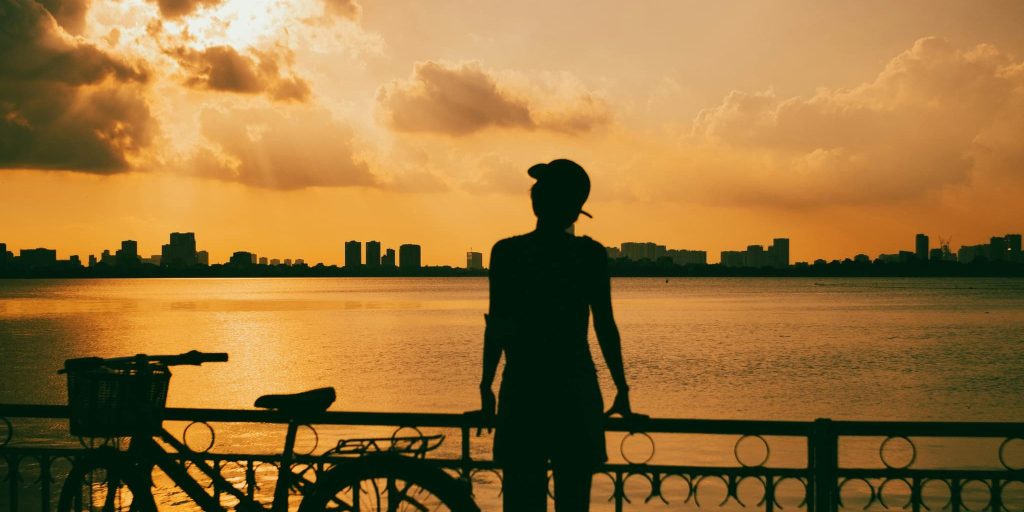
“The pace at which we move determines the depth at which we heal.” – Julius C.
Let’s continue our theme of giving and travel. In our last post, we explored how charity supports depression recovery. Today, we shall shift gears to the art of slow travel—a way of moving that allows us to savor, reflect, and heal. Unlike whirlwind itineraries, mindful tourism offers mental space. It is not about how many cities you check off a list, but how deeply you experience each moment.
What Is Slow Travel?
Slow travel emphasizes quality over quantity. Instead of racing from one landmark to another, you pause. Sometimes in one town, one street, or even one café. You allow yourself to notice details you would otherwise miss: the way locals greet each other, the rhythm of a morning market, the hush of a sunset by the river.
Why Slow Travel Heals the Mind
Research shows that overstimulation and constant rushing increase cortisol, the body’s stress hormone (Hammen, 2018). Conversely, slower, intentional experiences reduce stress and improve emotional regulation (Stevenson et al., 2018). For those living with depression or anxiety, this approach creates much-needed breathing space.
Benefits include:
- Reduced overwhelm: No need to plan ten sights in a day.
- Deeper reflection: Journaling, meditating, or simply observing.
- Authentic connection: Slow conversations with locals or even with yourself.
- Restored energy: Time for body and mind to truly rest.
Comparing Fast and Slow Journeys
In earlier posts, we looked at how acts of giving and charity work support mental health. Both those practices, much like slow travel, focus on presence and intention. The difference lies in direction: giving channels energy outward, while mindful tourism replenishes it inward. Together, they form a balanced cycle of renewal.
Fast travel often mimics the very hustle we try to escape in daily life. Airports, queues, checklists, each becomes a microcosm of workplace stress. Slow travel, however, is an antidote. It says: Pause. Notice. Heal.
Practical Tips for Mindful Tourism
- Stay Longer in Fewer Places – Trade three cities in five days for five days in one city.
- Choose Meaningful Activities – A pottery class, a cooking session, or a forest walk can be more enriching than a rushed sightseeing bus.
- Practice Digital Minimalism – Limit screen time; instead, capture moments with your senses.
- Engage All Five Senses – Notice scents, textures, flavors, sounds, and colors.
- Allow for Spontaneity – Healing often hides in unplanned encounters.
✨ Join the Journey
If this piece resonates with you, please like, share, comment, and subscribe. Every interaction helps spread awareness about how travel can nurture mental health.
😂 Fuel the Blogger, Save the Coffee Fund
This blog runs on equal parts passion and caffeine. If today’s post warmed your heart, consider donating—so I don’t have to choose between writing and buying instant noodles.
[☕ Donate & Support Living with Light]
🌲 Upcoming Blog: The Role of Nature-based Tourism in Reducing Stress and Depression
For those who feel uneasy in crowds, the next post will highlight the healing power of serene, nature-based escapes—mountains, forests, lakes, and quiet trails. Perfect for introverts or anyone longing for peace, it will explore why nature is a powerful ally in reducing stress and supporting depression recovery.


 The Gentle Lighthouse
Leave a reply to Julius Chan Cancel reply